
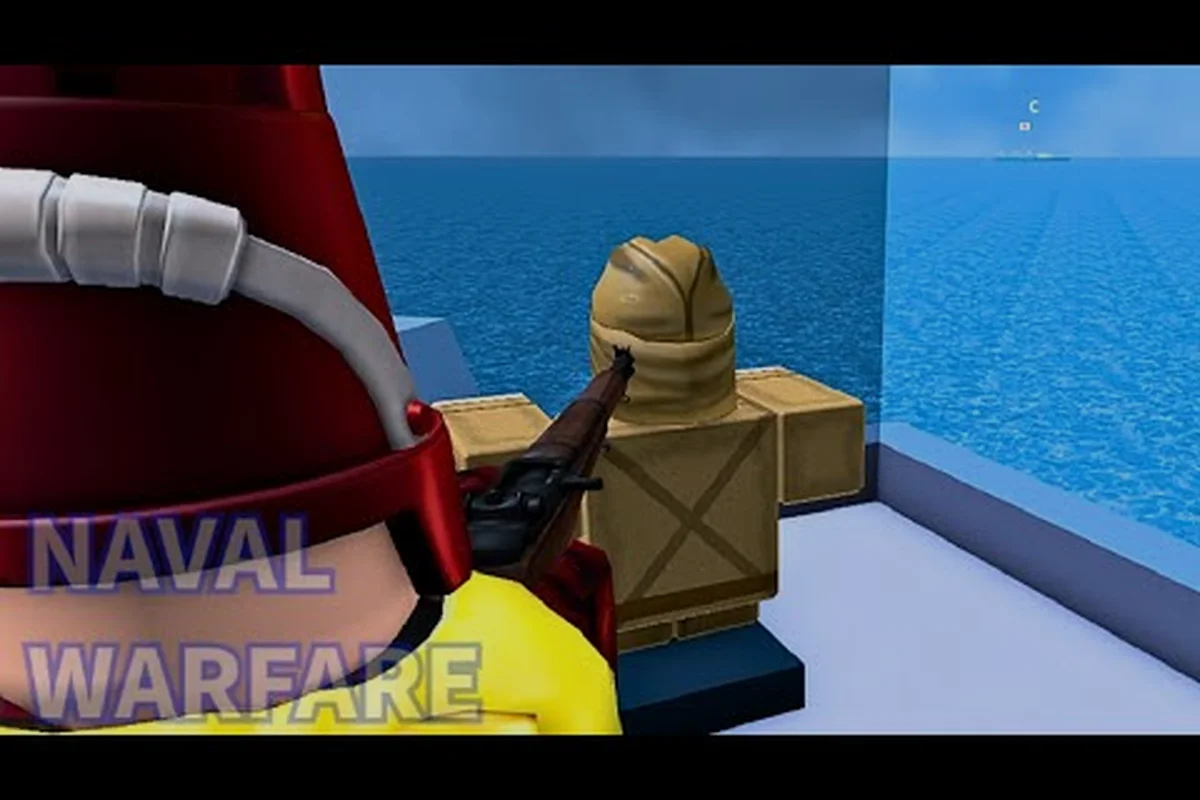
Skill based matchmaking in Navy War is the invisible engine behind every ranked match, and decoding it is the fastest way to climb the ladder instead of grinding in circles. This guide breaks down how the system pairs captains, what rank thresholds gate each promotion, when the Navy War rank reset schedule wipes the slate, and which Navy War seasonal ranking rewards are worth chasing each cycle.
How Navy War Skill Based Matchmaking Pairs You
Navy War skill based matchmaking uses a hidden internal rating (often called MMR) that shifts with every PvP fleet battle you finish on a ranked server. Your visible rank — Ensign, Lieutenant, Captain, and so on — is a cosmetic band layered on top of that rating, but the matchmaker only sees the number underneath. When you queue into a 6-player co-op server, the system grabs opponents whose rating sits inside a narrowing window around your own, which is why a fresh Ensign rarely meets a veteran Admiral.
The matchmaker recalculates after every match using a win/loss delta that grows larger when the rating gap is wide and shrinks when the opponents are evenly matched. A clean win against a higher-rated fleet can spike your rating by 25–40 points, while a loss to a weaker opponent may cost 15–20 points because the system expected you to win. That asymmetry is intentional: it punishes tilting and rewards consistent performance, which is the core mechanic behind any Navy War rank progression guide worth reading.
Three factors feed the matchmaking pool beyond raw rating. Server region keeps you matched against players with similar latency to keep naval combat responsive. Queue time widens the rating window if no close match is found within 15–20 seconds, so off-hours play feels looser. Party size adjusts expected performance upward when you sail with a coordinated fleet, meaning duo and trio queues carry a hidden tax that solo players do not pay. Knowing these knobs exist helps you choose when and how to queue, which is a foundation of any solid Navy War promotion guide tips playbook.
| Matchmaking Factor | Weight | Effect on Your Queue |
|---|---|---|
| Hidden MMR rating | High | Primary driver of opponent selection |
| Region latency | Medium | Filters out far servers for fair ping |
| Queue wait time | Medium | Widens rating window after 15–20s |
| Party size modifier | Medium | Inflates expected performance for groups |
| Win/loss streak | Low | Soft nudge toward harder or easier lobbies |
If you want a deeper breakdown of how each rank band maps to the hidden rating, the Navy War ranking system guide walks through the full tier list and what each threshold actually demands in practice.
Rank Thresholds and the Navy War Rank Progression Guide
The Navy War rank progression guide is built around a ladder of nine bands, each tied to a rating window and a flagship skin. You start at Ensign the moment you finish your placement matches, and from there every promotion requires clearing a numerical threshold that the community has mapped through repeated testing on the live Navy War Roblox page.
Promotion Thresholds at a Glance
| Rank | Approx. MMR Floor | Promotion Reward |
|---|---|---|
| Ensign | 0 (placement) | Starter banner |
| Lieutenant | 800 | Ship skin + 200 gold |
| Commander | 1100 | Blueprint crate |
| Captain | 1400 | Rare cruiser hull |
| Commodore | 1700 | Epic battleship |
| Rear Admiral | 2000 | Legendary submarine |
| Vice Admiral | 2300 | Exclusive aircraft carrier |
| Admiral | 2600 | Animated dock theme |
| Fleet Admiral | 2900 | Season-title flair |
These numbers are reported by players and may shift slightly with future patches, so treat them as a working map rather than gospel. The key takeaway is that each tier costs roughly 300 MMR more than the last, and the gap between Commodore and Rear Admiral is where most captains stall because the matchmaker starts pairing them with the top 5% of the active population.
How to Read Your Rating Climb
Your rating climb is not linear. Early promotions feel fast because the system calibrates your placement matches, so a 60% win rate during your first ten ranked games can carry you from Ensign to Lieutenant in a single sitting. After that, the curve flattens and you need closer to a 55% win rate just to tread water, which is why players who relied on placement luck often feel like the game "got harder" overnight.
A practical Navy War promotion guide tips habit is to track your last 20 matches and aim for a 12-win minimum before logging off. Anything below that signals that your fleet composition or positioning is bleeding rating, and the matchmaker will start matching you against weaker opponents to compensate, which actually slows your climb because the rating gain on a dominant win is small.
The Navy War Rank Reset Schedule Explained
The Navy War rank reset schedule runs on a fixed seasonal cycle, with a soft mid-season squish and a hard full reset at the end of each season. Community data points to a soft squish around the six-week mark, where everyone above Lieutenant loses 10–15% of their visible rating to tighten the matchmaking pool as the player base fragments. The hard reset happens every 12–14 weeks, dropping every captain back to placement matches and resetting the seasonal reward track.
Reset Timeline Cheat Sheet
| Event | When | What Happens |
|---|---|---|
| Soft squish | ~Week 6 of season | 10–15% rating loss above Lieutenant |
| Hard reset | End of season (12–14 weeks) | Full MMR wipe, placement matches restart |
| New season start | Day after reset | Fresh reward track, new flagship skins |
| Off-season ladder | Final 1–2 weeks | Casual play, no rating changes |
Players who hit Fleet Admiral before the soft squish still keep their cosmetic rewards, but the visible rank drops back to Lieutenant or Commander depending on the squish strength. This design exists so that the top of the ladder keeps churning and the matchmaker can pair returning veterans against other veterans instead of fresh recruits. If you want a full breakdown of how the squish interacts with the reward track, the Navy War ranking rewards page catalogs every cosmetic tied to each reset milestone.
The practical implication is simple: treat the final two weeks before a hard reset as a no-stakes playground to test fleet compositions, and treat the first two weeks after reset as a rating sprint while placement math is generous. Players who ignore this calendar leave easy rating on the table every cycle.
Promotion Tips That Actually Move Your Rating
Generic advice like "play better" does not survive contact with the ladder. The promotion tips that actually move your rating in Navy War are about exploiting the matchmaker's expectations and managing your queue timing, not about memorizing ship stats.
Pick the Right Queue Window
The matchmaker widens its rating window after 15–20 seconds of queue time, so logging on during off-peak hours (early morning UTC, weekday afternoons) tends to place you in mixed-skill lobbies. Logging on during peak evenings (19:00–23:00 UTC) tightens the matchmaking because the player pool is dense, which is great for climbing when you are on a win streak and miserable when you are tilting.
Sail a Fleet That Beats the Meta
The current meta revolves around Aircraft Carrier kiting paired with Submarine ambush, because carriers outrange most destroyer builds and submarines ignore standard detection. If you queue a battleship-heavy fleet into a lobby full of carrier-submarine duos, the matchmaker will read your losses as a skill gap and drop your rating even though the real problem is composition. Rotate at least one Cruiser with anti-aircraft modules into every ranked queue to keep your fleet flexible.
Protect Your Win Rate Streak
A three-game win streak gives the matchmaker a soft signal to test you against harder opponents, which is a feature, not a bug. The mistake is treating the next match as a guaranteed win and queuing tired. If you are 4–1 in a session, log off and come back fresh the next day; the rating gain from a clean 4–1 carries further than a sloppy 6–4 because the matchmaker weights recent performance more heavily than older matches. If you want a more tactical breakdown of how to chain wins during a streak, the Navy War how to climb ranks guide covers advanced rotation habits that veteran captains swear by.
Avoid the Tilt Tax
The matchmaker's biggest hidden lever is the tilt tax. After two losses in a row, the system softens your next few lobbies to keep you engaged, but if you keep losing through those gift lobbies, it stops offering them and your rating bleeds. The fix is to stop queueing after the second loss and switch to a co-op unranked server for 15–20 minutes to reset your mental stack. Players who respect this rule climb 200–300 MMR faster per season than those who chase losses.
Navy War Seasonal Ranking Rewards Worth Chasing
The Navy War seasonal ranking rewards split into two tracks: a competitive track gated by your final visible rank, and a participation track that hands out cosmetics for hitting match milestones regardless of where you finish. The competitive track is the one most captains chase, because the Admiral and Fleet Admiral tiers ship with animated dock themes and a season-title flair that does not return once the season ends.
Reward Track Snapshot
| Final Rank | Competitive Reward | Participation Bonus |
|---|---|---|
| Lieutenant | Bronze anchor banner | 500 gold |
| Commander | Silver sail banner | Blueprint crate |
| Captain | Gold hull trim | 1,200 gold |
| Commodore | Epic cruiser skin | 2,000 gold |
| Rear Admiral | Legendary submarine | Animated profile badge |
| Vice Admiral | Aircraft carrier skin | 3,000 gold |
| Admiral | Animated dock theme | 5,000 gold + exclusive crate |
| Fleet Admiral | Season-title flair | 10,000 gold + collector crate |
The collector crate at Fleet Admiral is the real chase item, because it contains a rotating set of legacy skins that older captains missed during previous seasons. According to community data, the crate pools lean toward submarine and aircraft carrier cosmetics, which mirrors the current meta and explains why so many captains push for the top tier even when the rating grind feels brutal.
A smart play is to set a personal goal of Commodore every season, because that tier reliably unlocks the Epic cruiser skin and a solid gold payout without demanding the 55%+ win rate that higher ranks require. Once you hit Commodore comfortably, the jump to Rear Admiral becomes a stretch goal rather than a grind, and you avoid the burnout that pushes most captains out of the ranked queue by week eight.
If you are mapping out your full season plan, the Navy War ranking guide 2026 roundup compiles the latest confirmed reward changes and patch notes so you can budget your grind around the rewards that actually matter to your fleet.
Frequently Asked Questions
Does Navy War skill based matchmaking use a single hidden rating or separate ratings per game mode?
Navy War uses a single hidden rating that feeds into the matchmaker for every ranked queue, so your performance in standard fleet battles and the co-op ladder both feed the same number. Unranked co-op servers do not touch your rating at all, which makes them a safe testing ground for new fleet compositions.
How long does a typical Navy War season last?
A typical Navy War season runs 12 to 14 weeks, with a soft rating squish around week six and a hard full reset on the final day. The exact dates are posted on the official Roblox game page roughly two weeks before each transition, so check the patch notes if you are planning a rating push.
Can I lose my seasonal rewards if I drop ranks after hitting a threshold?
No, seasonal rewards are locked in based on your highest visible rank during the season, not your final position. Even if a soft squish knocks you from Vice Admiral back to Captain, you will still receive the Vice Admiral rewards when the season ends.
What is the fastest way to climb from Ensign to Captain in a new season?
Focus on placement matches first, because the system calibrates your starting rating from those games, then queue during peak hours so the matchmaker gives you tight, winnable lobbies. Sail a balanced fleet with at least one anti-aircraft cruiser to avoid hard counters, and stop queueing after two consecutive losses to dodge the tilt tax.
Are Navy War seasonal ranking rewards tradeable or account-bound?
All seasonal ranking rewards are account-bound and cannot be traded or transferred to alt accounts. The only way to collect them is to finish the season at the required rank on the account you want to keep them on, so plan your grind accordingly.