
Ships
Comprehensive database of all five ship classes - destroyers, cruisers, battleships, submarines and aircraft carriers with stats and guides.
Introduction
Navy War features five distinct warship classes, each designed for a tactical role in your fleet. Destroyers are fast and agile, perfect for scouting and rapid torpedo strikes. Cruisers offer balanced firepower and armor, making them versatile workhorses in any fleet composition. Battleships serve as heavy frontline combatants with massive guns and thick armor. Submarines operate stealthily beneath the surface, delivering devastating surprise torpedo attacks. Aircraft Carriers project air power across long distances, sending plane squadrons to strike targets beyond gun range. Understanding each class strengths, weaknesses, and optimal engagement ranges is essential for building a fleet that can handle any combat scenario you encounter on the seas.
Ship Class Quick Reference
| Class | Role | Key Strength | Weakness |
|---|---|---|---|
| S Destroyer | Scout / Raider | Highest speed and stealth detection | Low armor, vulnerable to battleship fire |
| A Battleship | Frontline Combat | Maximum firepower and armor | Slow speed, easy target for submarines |
| A Cruiser | Versatile Support | Balanced stats, good all-rounder | Not exceptional in any single role |
| B Submarine | Stealth Attack | Invisible until striking, high torpedo damage | Extremely fragile when detected |
| B Carrier | Air Support | Attacks beyond gun range, area damage | Vulnerable hull, relies on escort protection |
Fleet Breakdown
Destroyer
Fast attack craft ideal for scouting and torpedo runs
Battleship
Heavy capital ship with devastating broadside artillery
Submarine
Stealth vessel delivering surprise torpedo strikes from below
Cruiser
Versatile support vessel with balanced combat capabilities
Carrier
Air support platform projecting damage over the horizon
Core Mechanics
Ships in Navy War are unlocked and upgraded through your base Shipyard, which must be upgraded progressively to access higher-tier vessels. Each class has distinct engagement ranges: Destroyers excel in close-to-mid range with rapid-fire guns and torpedoes, Battleships dominate mid-to-long range artillery duels, while Carriers operate safely behind the front line sending aircraft to strike. Counterplay is a core mechanic - Destroyers counter Carriers with speed, Carries counter Battleships with range, and Submarines counter Destroyers with stealth. Fleet composition strategy involves covering your fleets weaknesses with complementary ship classes. The upcoming trading update is expected to add trade mechanics between players for ship-related resources.
Advantages
A well-rounded fleet covering all five ship classes gives you tactical flexibility that mono-class fleets cannot match. Destroyers provide the scouting and early warning needed to avoid ambushes. Cruisers fill gaps in any formation with their balanced capabilities. Battleships deliver the decisive firepower that wins fleet engagements. Submarines offer the threat of surprise attack that forces opponents to spread their defenses. Carriers extend your reach beyond the enemies gun range. A diverse fleet composition is the single most reliable strategy for consistent PvP success.
Challenges
Maintaining five ship classes simultaneously requires significant resource investment and base infrastructure. Early game players may struggle to afford more than two or three active ships at once. Submarines have a steep skill curve - their stealth mechanic requires careful positioning and timing. Carriers are completely ineffective without escort protection, demanding you split your fleet. Resource constraints mean most players must specialize in two classes while maintaining token presence in others, which creates exploitable gaps in their fleet composition.
Frequently Asked Questions
Which ship should I buy first?+
How do submarines work?+
Are carriers worth the high cost?+
Quick Tips
Always send a Destroyer ahead of your main fleet as a scout. Early detection of enemy positions lets you choose whether to engage or reposition on your own terms.
Never send a Carrier into combat without at least one escorting Destroyer or Cruiser. An unprotected Carrier will be the first target any experienced opponent eliminates.
Practice submarine positioning in co-op mode first. Learning the stealth detection ranges and surfacing timing without risking ranked match losses builds the muscle memory needed for competitive play.
Featured
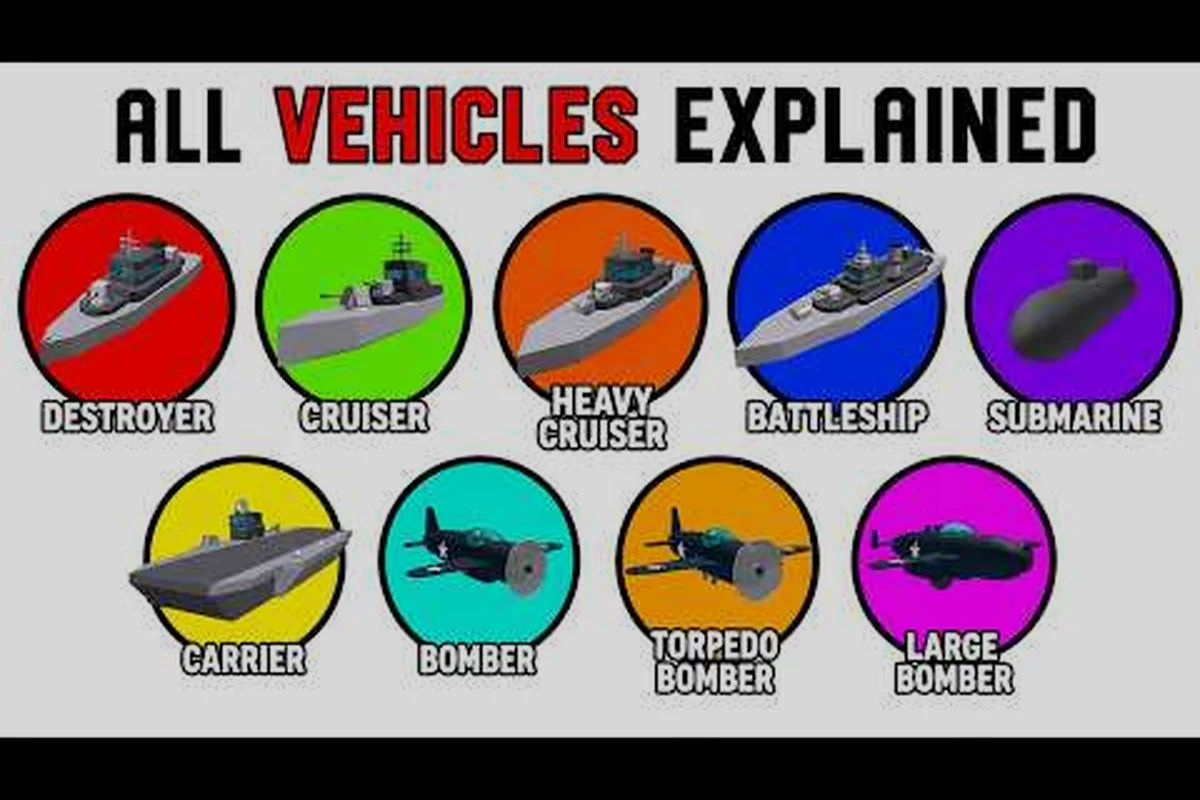
Navy War All Ships List: Every Class, Rarity Bracket
Browse the complete Navy War all ships list covering battleships, cruisers, destroyers, submarines, and carriers, with rarity tier breakdowns, class role summaries,.
Navy War Counter Ship Guide: Match Every Enemy Hull & Rarity
Beat any opponent with this Navy War counter ship guide covering ability matchups, legendary rarity picks, and the collection checklist that keeps your roster ready.
Navy War How to Unlock Cruiser: Costs, Requirements & Fleet Roles
Learn Navy War how to unlock cruiser hulls step by step, including the gold and steel costs, captain level gates, and how cruisers fit into a balanced fleet comp.
All Articles
Navy War New Ship Releases: Patch Drops, Class Additions
Track the latest Navy War new ship releases with patch drop summaries, class additions across battleships, cruisers, and subs, plus the upgrade tree picks worth.
Navy War Ship Speed Comparison: Fastest Hulls & Reload Rates
See the Navy War ship speed comparison chart ranking every vessel by knots, acceleration, and reload speed so you can pick the swiftest premium hull for each battle.
Navy War Ship Stats Comparison: HP, Speed, Armor & Firepower
Compare every Navy War ship stats comparison across battleships, cruisers, destroyers, subs, and carriers, ranking HP, speed, armor, and firepower so you can build.
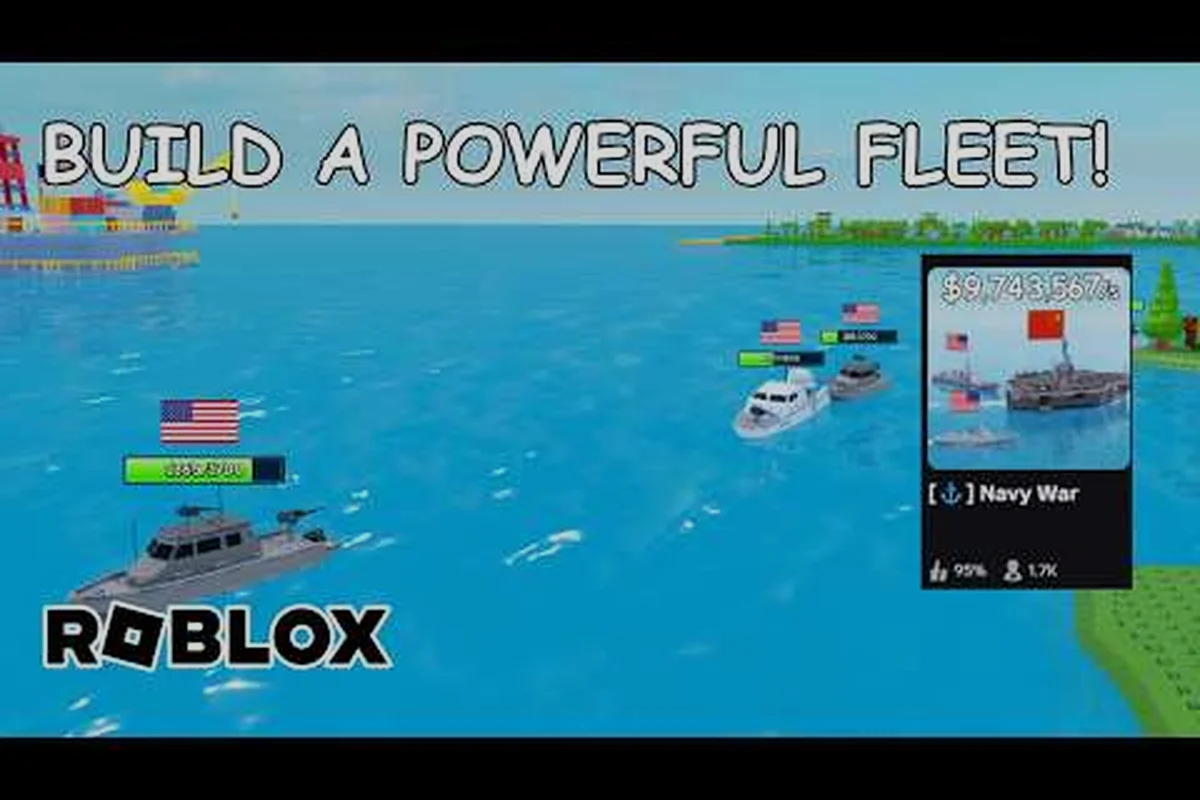
Navy War Best Ship for PvP Combat: Top Picks by Hull Type
Find the Navy War best ship for PvP combat with class-by-class reviews of heavy cruisers, light cruisers, and stealth subs, plus armor mechanics that swing duels.